You're Not Alone: How Incest Survivor Support Groups Can Bring Validation, Connection, and Hope
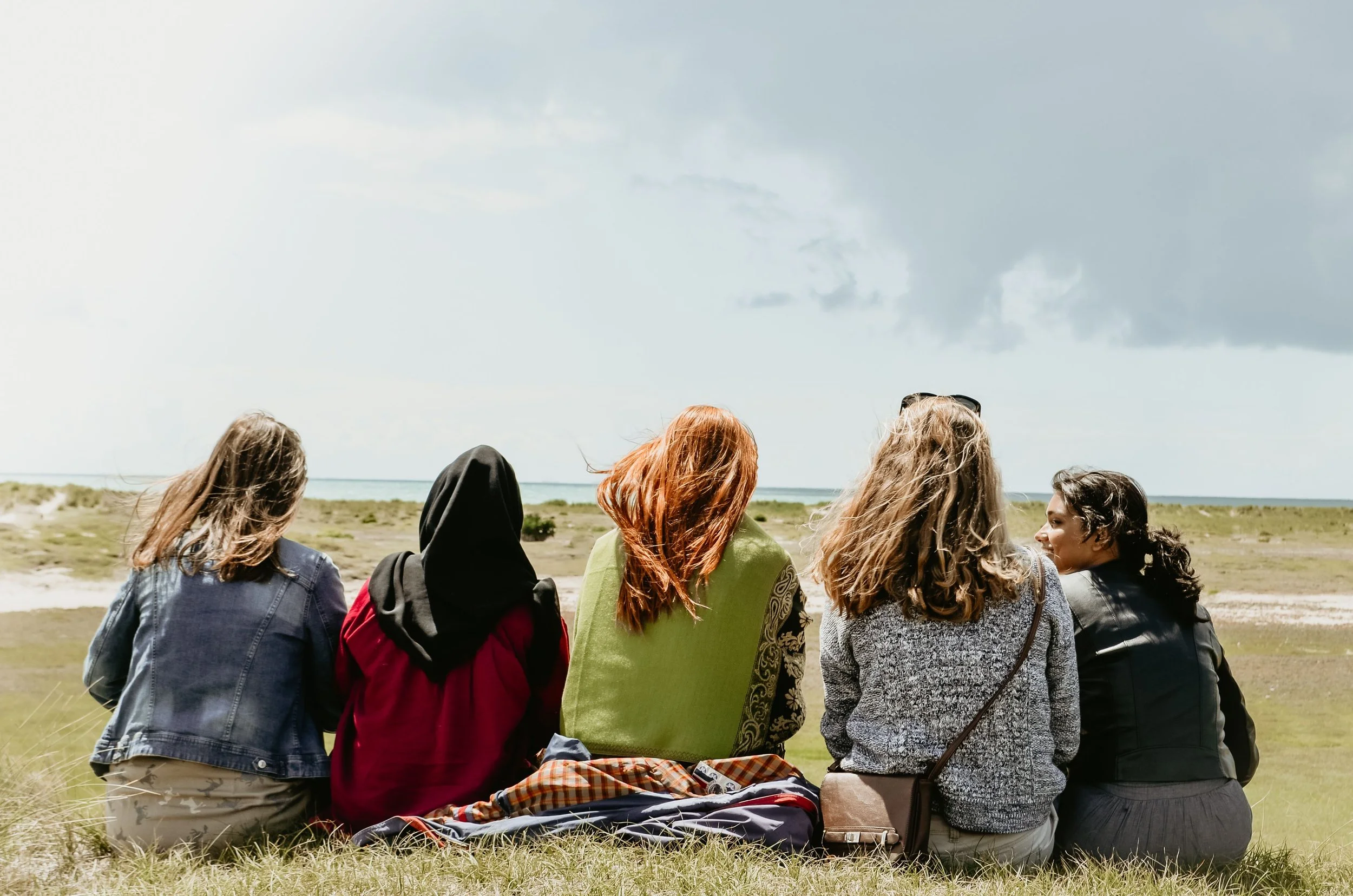
Photo by Alvin Sadewo
The loneliness survivors can carry
Between the ages of 7 and 10, my brother (4 years older) molested me. As his bribes increased from snacks to letting me drive our dad’s Studebaker, so did his degree of violation of my body. He swore me to secrecy, as if my self-blame and shame weren’t enough to keep me silent. Confusion, guilt, and feelings of being damaged led to hypervigilance and isolation that persisted through my teens and into adulthood. (Please consider reading The Effects of Childhood Incest on Adult Life.)
Although each survivor experiences self-doubt or isolation in their own way, communicating with people who have lived through similar experiences can offer a powerful sense of recognition and belonging.
Why being believed and understood matters
Validation following childhood sexual abuse is important for several reasons. Many survivors struggle with whether what happened to them was truly abuse, with questions about their culpability, and with doubt that others will understand. When I struggle with rage or when something in the community triggers me, I especially value the perspective of other survivors.
Survivors of Incest Anonymous (SIA) explicitly describes validation, fellowship, and the experience of realizing that one is "not alone" as central to an individual’s recovery. 1
A group of our peers can affirm our experience or feelings without implying that we’re flawed or have mental health disorders.
Survivors of Incest Anonymous: peer fellowship among survivors
Survivors of Incest Anonymous (SIA) is a 12-step, self-help recovery program for individuals 18 and older who suffered sexual abuse by a family member, a live-in partner of a parent, or a figure of trust (teacher, clergy, close family friend).
SIA meetings are survivor-facilitated and emphasize anonymity and confidentiality.
SIA has a variety of meetings, including in-person, online, conference call groups, and meetings organized around particular experiences or identities (ritual abuse, covert incest, people of color, male, female, gender non-conforming).
SIA stresses fellowship, including developing relationships with people who share their experience, strength, and hope as a core component of peer-to-peer healing. Safe sharing fosters mutual strength among members. Individuals tend to discuss general issues with the group and personal details more with their sponsors.
SIA meetings are not a replacement for therapy when professional treatment is desired or needed. Over my 50+ years of recovery from incest, I’ve come to believe that a combination of survivor groups, trauma-informed therapy, and writing has contributed most to living my most fulfilling life.
Saprea: creating connection beyond a weekly meeting
Saprea, formerly known as the Younique Foundation, provides retreats, support groups, and a plethora of recovery resources that emphasize listening, safety, and confidentiality. Retreat facilitators and support group leaders discourage explicit descriptions of abuse during group activities. 2
Adult survivors of child sexual abuse or incest can choose their own boundaries: listening, sharing selectively, attending anonymously/online, or attending a retreat free of charge in Utah.
Saprea's four-day retreat is designed for adult women who experienced childhood sexual abuse and combines trauma education, practical coping tools, restorative activities, and connection with other survivors. The retreat is an intensive healing program, not therapy or crisis intervention
When I attended the Saprea retreat in 2022, participants met with a case manager at the beginning and end to discuss goals during and post-retreat. The variety of programs, from Kintsugi to drumming, yoga to Muay Thai, art journaling to a class on sexual health, contributed to the healing of my mind, body, and spirit.
From strangers to community: why peer connection may reduce isolation
Meeting or participating in discussions with people who understand childhood sexual abuse can create opportunities for belonging, mutual understanding, encouragement, empathy concerning trauma responses, and rebuilding trust in relationships.
Validation without pressure to disclose
Meaningful participation does not necessarily mean recounting traumatic details. Although potential Saprea retreat participants must complete a history of their abuse and have a telephone interview, they are never asked to tell their story at the retreat or in support group meetings.
Support groups aren't one-size-fits-all
Group settings can feel uncomfortable, overwhelming, or simply unsuitable for some people. Survivors might research support groups to learn about their confidentiality and safety guidelines, the type of training or experience facilitators have, whether the group is peer support or professional therapy, and whether the group's approach fits their needs.
Sexual abuse survivors have unique personalities and needs. Most can benefit from individual therapy, peer support, or both at certain points in recovery.
Building connection after the retreat or first meeting
An initial support group meeting or retreat can become the beginning of an ongoing support network rather than a one-time experience.
Saprea offers survivor-led support groups both online and in person as one way to build community. Their support groups are designed around emotional safety and confidentiality, with structured materials and survivor facilitators to ensure their guidelines are followed.
We don't have to heal in isolation
Sexual abuse survivors often turn to peer support and validation to reduce feelings of being “different” or misunderstood. While connection with peers who’ve had similar experiences cannot erase what happened, finding people who can relate to us challenges the belief that we have to carry the experience alone.
In a devotional entitled “We Carry This,” Kaji Dousa wrote, “Some of what you are carrying right now may not be yours to carry by yourself. Some of what feels heavy may be a sign that the work is holy, but you need to find someone you can entrust to share the load. Part of spiritual maturity is building a spirit of discernment that reveals who to celebrate with and who to collaborate with, too. . .God will give you appropriate companions for your walk. Some of the work is learning to recognize them. The rest of the work may just be healing enough to let them do it.” 3
A peer is an individual who supports another person on the basis of a shared experience. An evaluation of eight studies regarding peer-led groups of sexual abuse survivors concluded that “participants’ interpersonal well-being improves in these groups. There is a risk of painful memories being triggered, although this is interconnected with reciprocal healing.” 4
My experiences with an incest survivors’ group and the Saprea retreat placed me in the company of women who identified with my pain, rage, hypervigilance, and hope for the future. In the four years since attending the retreat, members from the group have celebrated birthdays, engagements, the earning of a Black Belt, a yoga teaching certification, the publication of several books individuals authored, and a member fulfilling her dream of becoming a bodybuilder. We continue to “be there” for each other online and in our text thread.
Peer support can be a powerful resource in the recovery journey of sexual abuse survivors. Even if we don’t choose to disclose our own story, the healing might come through the hearing. Rachel Remen, MD, said, “Really listen to find out what’s true for that other person. We need to cultivate the art of generous listening, simply receiving and respecting what’s true for them. It’s strengthening communication. Be honored that they shared it (their experience) with you. It strengthens both of you. Generous listening involves truly hearing what another says, valuing their voice, seeking to understand their feelings and thoughts.” 5
Sometimes we survivors recognize ourselves in the stories others share. Their strength, hope, and success can fuel our own. May each of us seek and find peer support which is a good “fit” for us and pursue our unique, precious life.
Below are other organizations which offer support groups for survivors:
Rape, Abuse, and Incest National Network (RAINN) is the largest anti-sexual violence organization in the US. Their mission is to stop sexual violence by supporting survivors, holding perpetrators accountable, and creating safe communities. They offer online support groups and many resources about recovery (how therapy can help, how to plan for your safety, self-care after trauma, and information for loved ones about how to support survivors in their recovery).
1in6 provides weekly confidential, anonymous online support groups for male survivors of sexual abuse or assault. Their support groups are facilitated by counselors who provide information, answer questions, and keep discussions on track. A trained moderator is present to review comments to ensure each group remains safe and anonymous. There is no cost, and support groups are open to all men who have a computer or smartphone with an internet connection.
After Silence is designed to help victims become survivors. Their mission is to support, empower, validate, and educate survivors of rape, sexual abuse, and incest. They also aim to support families and supporters of survivors of all types of sexual violence. The core of the organization is a support group, message board, and chat room where victims and survivors come together online in a supportive, safe environment. Their groups are anonymous spaces where survivors can connect with others in real time, share their stories, ask questions, and move forward in their path toward healing and recovery.
Support groups are not intended to be group therapy. They are designed to help sexual abuse survivors recognize they are not at fault for their abuse and are worthy of a safe, serene, joyful life. They can assist participants in identifying their strengths and goals, in being compassionate with and trusting themselves (Please consider reading The Power of Self-Forgiveness for Sexual Abuse Survivors), to set healthy boundaries, and to celebrate their progress.
If you have found this article helpful, please share this with others, or reshare on social media. Also consider reading my memoir, Peeling Away the Facade: The Long Shadow of Child Abuse.
References
1 Survivors of Incest Anonymous, siawso.org
2 Saprea, https://saprea.org
3 Dousa, K. (2026). We carry this. dailydevotional@ucc.org, June 3.
4 Konya, J., et al. (2025). Peer-led groups for survivors of sexual abuse and assault: a systemic review. Journal of Mental Health, Issue 2, 128-140.
5. R. N. Remen, Kitchen Table Wisdom (New York: Riverhead Books, 2006).